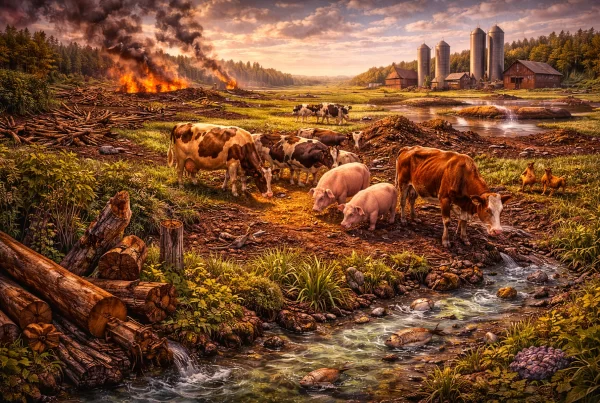
- Livestock has an enormous water footprint
- Green water makes up the largest share
- Blue water puts pressure on freshwater resources
- Grey water reflects pollution
- Beef is the most water-intensive product
- Chicken and pork are also resource-intensive
- Legumes are much more efficient
- Plants save water per gram of protein
- Animal products pollute water more
- Plant foods place less strain on the system
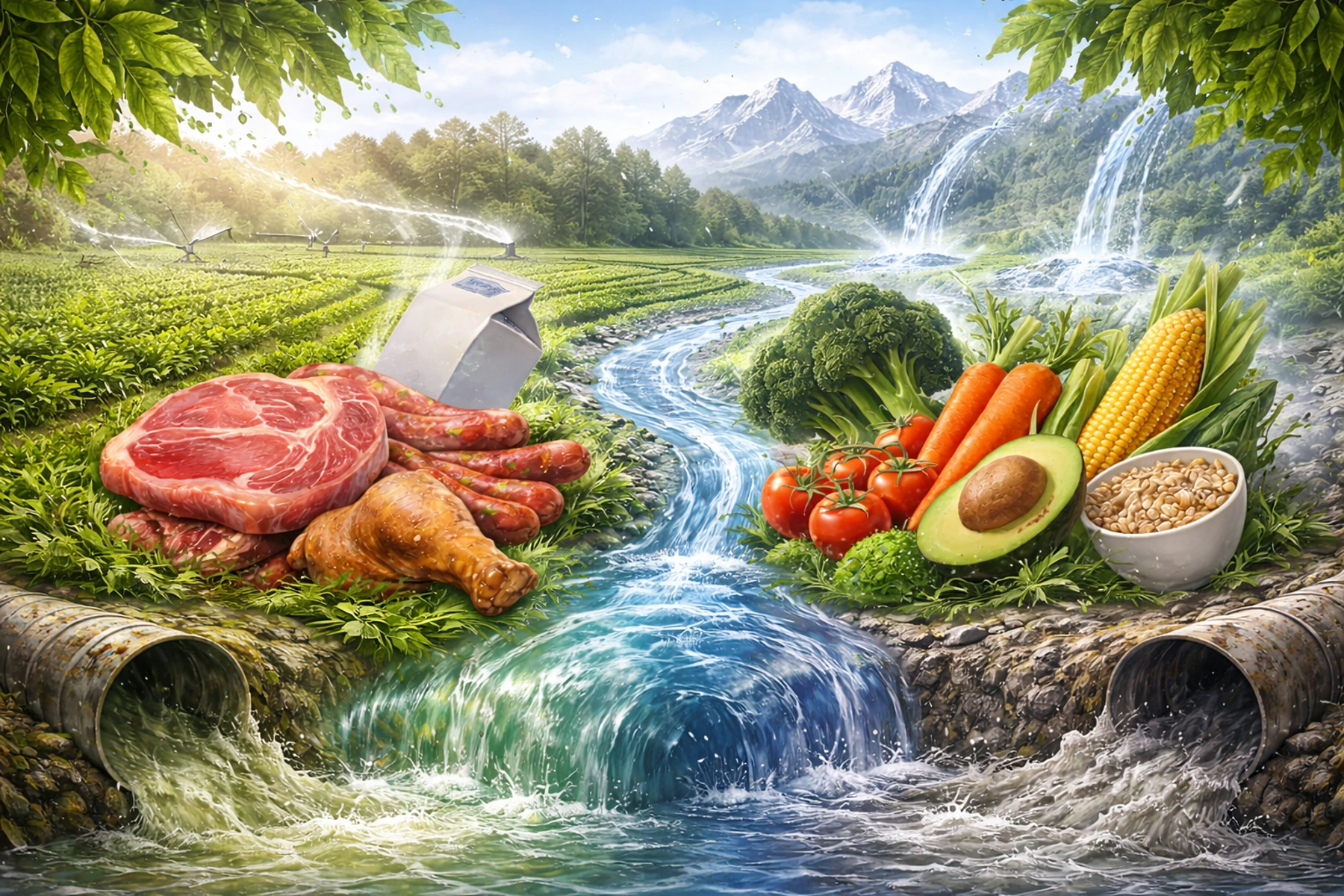
- Food choices affect water resources
- Less meat means less water pressure
Nowadays, freshwater on land is becoming an increasingly valuable resource, which unfortunately we continue to waste more and more stubbornly in different ways. In this article, we will look at one of the underestimated and less often mentioned ways in which we do this, namely agriculture and livestock farming.
To begin with, we will “divide” water into three main types — green, blue, and grey. Here is what we mean by these definitions:
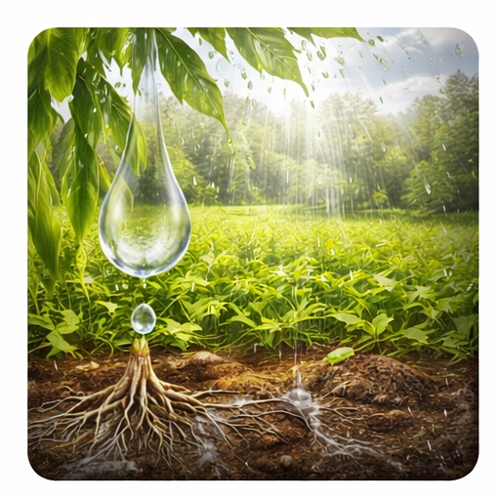
Green water
Rainwater stored in the soil and used by plants through evapotranspiration (a fancy word meaning the combination of evaporation and transpiration).
- It is not extracted from rivers/lakes/groundwater
- It is most relevant for rain-fed crops and pastures; in fact, this is the type of water that feeds them.
- It makes up the majority of the water footprint of feed crops, pasture grasses, and therefore meat
You can think of it as “rain-fed soil moisture used by plants.”
Blue water
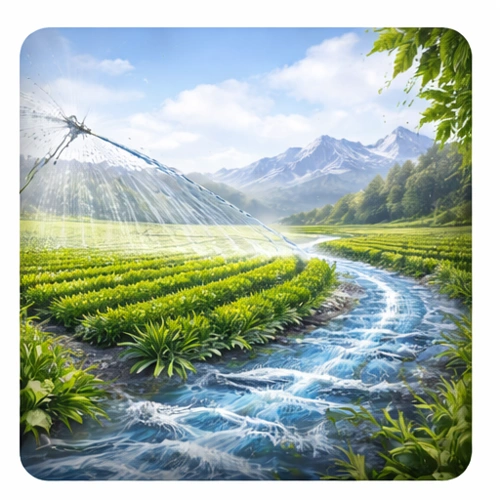
Freshwater extracted from surface sources (rivers, lakes, reservoirs) or underground sources and used for:
- Irrigation of feed crops
- Drinking water for animals
- Cleaning stables
- Processing in slaughterhouses
- Dairy production
You can think of it as “irrigation + drinking water.”
The use of “blue water” is the most environmentally sensitive, because it depletes rivers and aquifers.
Grey water
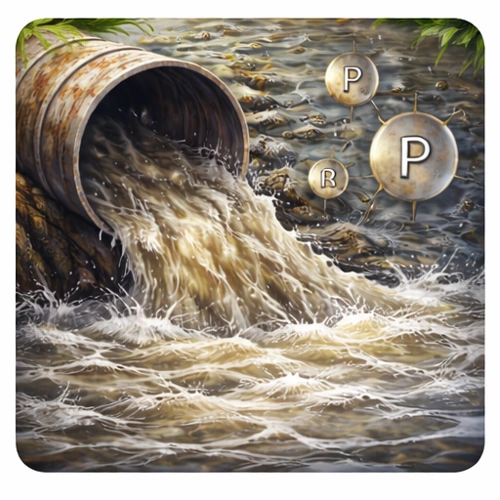
The amount of fresh water needed to dilute pollutants (for example nitrogen, phosphorus, manure waste) to safe regulatory levels.
Sources include:
- Fertilizers used for feed crops
- Pesticides
- Manure from livestock operations
- Wastewater from slaughterhouses
You can think of it as “water needed to absorb pollution.”
These three factors combined give the total freshwater use for each food product.
How do green, blue, and grey water participate in meat production?
Green water is the largest component of meat’s water footprint.
- Cows eat grass + feed crops, both of which need rainwater
- 98% of livestock’s water footprint actually goes into feed production
- Pasture systems (grass-fed beef) have the highest green water footprint because grass has high evapotranspiration
Key fact:
👉 80–95% of the total water footprint of beef is green water (rain-fed).
This explains why beef has a very high total water footprint (~15,000+ L/kg).
Blue water (irrigation + drinking) is much smaller by volume, but ecologically critical.
It is used for:
- Irrigation of feed crops (most of the blue footprint)
- Drinking water for animals
- Cleaning barns, dairies, slaughterhouses
Typical shares (global averages):
- Beef: ~4–6% of the total water footprint is blue
- Chicken/pork: ~8–12% (because they are fed irrigated grain/soy)
- Dairy products: ~5–8%
Key fact:
👉 Blue water is where livestock competes with human drinking water and agriculture in water-scarce regions. Or in other words, when there is no water for people, it is often because that water has been used indirectly or directly for animal farming.
Grey water reflects pollution from fertilizers and manure.
Sources:
- Runoff from feed crops
- Nitrogen from manure lagoons and fields
- Waste from slaughterhouses
Share of grey water:
- Beef: ~5–12%
- Chicken/pork: ~10–20%
- Dairy products: ~15–30% (due to nitrate runoff from feed)
Key fact:
👉 Grey water is a major driver of waterway pollution (dead zones, eutrophication).
How do green, blue, and grey water participate in plant food production?
Green water in plant cultivation
Most plant foods are fed by rainwater, so green water is a main player in this case too.
Average values:
- Legumes: 60–80% green water
- Cereal crops: 70–90% green water
- Vegetables: variable, often more blue if irrigated
Key fact:
👉 The use of green water by plants generally does not burden freshwater systems.
Blue water in plant cultivation
Irrigated crops (almonds, avocados, some vegetables) use more blue water.
But globally:
- Legumes and cereal crops use very little blue water
- Lentils, chickpeas, and peas are among the crops with the lowest blue water use
Blue water use for common plant foods:
- Lentils: ~20–50 L/kg
- Peas: ~30–60 L/kg
- Wheat: ~300–500 L/kg
- Soy: ~150–400 L/kg
Comparison with livestock:
Beef requires 4–10 times more blue water per unit of protein than legumes.
Grey water in plant cultivation
Grey water in plant foods comes mostly from:
- Fertilizer runoff
- Pesticides
- Soil erosion
Legumes tend to have extremely low grey water because they naturally fix nitrogen and need less fertilizer.
To make what we have written so far easier to visualize, we will summarize it in a table
Total water footprint per kg
(global averages)
Food type | Green water | Blue water | Grey water | Total (l/kg) |
Beef | 14,400 | 550 | 300 | ~15,200 |
Pork | 3,900 | 450 | 350 | ~4,700 |
Poultry | 3,500 | 400 | 300 | ~4,200 |
Legumes | 2,200 | 40 | 60 | ~2,300 |
Wheat | 1,200 | 300 | 200 | ~1,700 |
Vegetables | 200–600 | 20–80 | low | 400–800 |
Using the table and the protein percentage in one kilogram of product, it follows that:
- Per unit of protein, plants are drastically more water-efficient
- 1 gram of beef protein uses around 112 liters of water
- 1 gram of lentil protein uses around 5–8 liters
- In other words, the difference in water used is around 15–20 times
In other words, when we choose to eat a tasty steak, sausage, or another meat product, it is worth remembering that we would save an enormous amount of water, which becomes unusable for a long time when used in the meat production process, if we instead chose a plant-based substitute for the food we had picked. Nowadays, when water is becoming a limited resource in more and more places around the world, we think this would be a good way to slow down the moment when conflicts around the world will no longer be fought over oil and land, but over water.
Sources:
https://www.mdpi.com/2073-4441/16/12/1681
https://www.nature.com/articles/s41597-024-04264-2
https://ourworldindata.org/water-footprint
https://waterfootprint.org/resources