- Red meat increases the risk of T2D
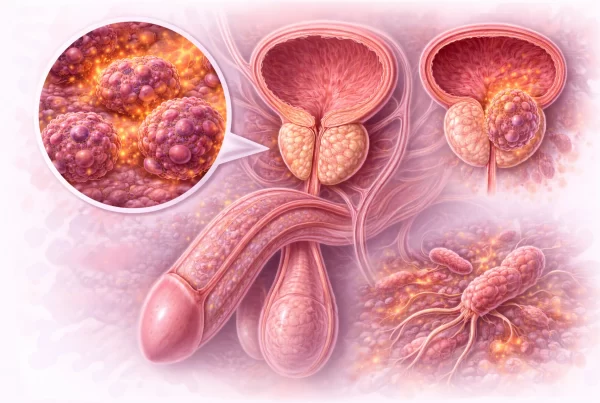
- Insulin resistance is the main mechanism
- Saturated fats worsen glucose control
- Meat increases inflammation and oxidative stress
- TMAO is part of metabolic risk
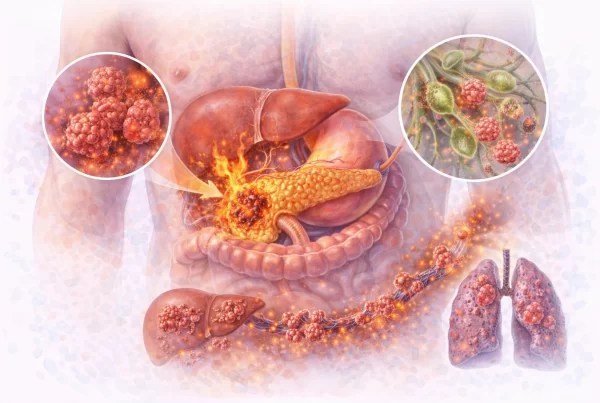
- β-cells become damaged over time
- Plant-based diets improve insulin sensitivity
- Fiber reduces glucose spikes
- Less meat means lower risk
- Whole plant foods protect metabolism
- A gradual transition also brings benefits
- Nutrition is a powerful tool against type 2 diabetes
Eating our beloved steaks and meat products is often associated with increased cholesterol levels in the blood. Cholesterol, and especially the bad LDL cholesterol, is usually associated with the formation of plaque and deposits on organs and blood vessels, which leads to extremely pleasant conditions such as high blood pressure, heart attacks, and strokes.
It turns out, however, that this is not the only bonus of a meat-eating diet, and the list of bonuses also includes diabetes, specifically type 2 diabetes — we will call it T2D for short, since it will be the main character in this article. To the surprise of most of us, T2D is not influenced only by sugar and processed carbohydrates, but also by animal products, especially red and processed meat. Salami drew the short straw here too. New research, conveniently for our cause, shows that:
More meat = higher risk of developing type 2 diabetes
More whole plant foods = lower risk
And now we will dig a little deeper to see why this happens.
Why does this happen?
We will start with how we can develop T2D
Type 2 diabetes is not caused only by sugar.
The main driver is insulin resistance, which develops when the body’s cells stop responding properly to insulin. Meat — especially red and processed meat — accelerates several biological pathways that lead to insulin resistance and β-cell failure.
We will show you the full pathway, step by step, in a scientifically detailed but hopefully easy-to-understand way:
STEP 1
– Intramyocellular fat accumulation (translation — fat inside muscle cells)
This is the cause of insulin resistance.
When we eat a lot of saturated fat (found in large amounts in red meat, pork, lamb, dairy products, and processed meat), fat is stored inside the muscle cells.
This causes:
- blocking of insulin signaling
- reduced glucose uptake
- accumulation of toxic lipid intermediates (ceramides, DAG)
Result:
Muscles cannot absorb glucose, which leads to sugar remaining in the blood. As a result, insulin resistance begins.
A very convenient surprise, or not exactly — plant fats (polyunsaturated fats) do not cause this problem.
STEP 2
— Fat accumulation in the liver (hepatic insulin resistance)
Saturated fats also accumulate in the liver, causing:
- greater glucose production (gluconeogenesis)
- higher VLDL export (the diluted version of the bad hero LDL, which turns into it)
- higher fasting glucose
- higher fasting insulin
This is why many people with type 2 diabetes also have fatty liver disease as a bonus addition.
STEP 3
— Chronic inflammation from meat compounds
Red and processed meat contains inflammatory compounds that, on top of everything else, worsen insulin resistance:
- Heme iron
– Produces free radicals, leading to oxidative stress and, as a result, inflammation
– It is directly toxic to β-cells and pancreatic tissue.
- AGEs (advanced glycation end products; a more detailed explanation can be found further down in the article)
They are found in very high amounts in grilled, fried, broiled, and processed meat.
They cause inflammation and damage insulin receptors.
- Nitrites/nitrates
They are found in processed meat and, like free radicals, increase oxidative stress.
- Endotoxemia
High-fat animal foods increase intestinal permeability, which is called “leaky gut.” In this way, bacterial toxins enter the bloodstream and trigger an inflammatory response. Ultimately, this leads to insulin resistance.
STEP 4
— TMAO production (gut microbiome pathway)
Carnitine and choline from meat interact with gut bacteria → TMA → liver → TMAO
TMAO causes:
- impaired glucose tolerance
- inflammation
- higher risk of metabolic syndrome
- worsening of insulin resistance
Vegans/vegetarians do not produce significant amounts of TMAO because their gut microbes differ.
STEP 5
— Stress and death of pancreatic β-cells (specialized cells in the pancreas that produce, store, and release insulin — the hormone that controls blood sugar.)
As insulin resistance worsens, the pancreas tries to compensate by producing more insulin, thinking that this will fix things; apparently, sometimes even our organs fool themselves.
This causes:
- β-cell overload
- oxidative stress in the pancreas
- apoptosis (cell death)
Contribution from meat:
1. Heme iron, which, like the other substances we mentioned, increases oxidative stress in β-cells
β-cells are extremely sensitive to oxidative damage.
2. AGEs lead to β-cell dysfunction
They disrupt insulin secretion and trigger inflammation.
3. High intrapancreatic fat content (translation — fat in the pancreas as a result of saturated fats)
Fat accumulation around the pancreas disrupts insulin production.
Eventually, the β-cells fail and quit their job, and congratulations — you win type 2 diabetes.
How does meat affect this, and how do plant foods help?
Why does meat consumption increase the risk of type 2 diabetes?
There are several biological mechanisms that link meat — especially red and processed meat — to insulin resistance and diabetes:
1) Saturated fats → Insulin resistance
Saturated fats from meat accumulate in muscle and liver cells, disrupting:
- insulin signaling
- glucose uptake
- mitochondrial function
This directly increases insulin resistance.
2) Heme iron → Oxidative stress and β-cell damage
Red meat contains heme iron, which oxidizes easily and increases cellular stress.
Higher iron stores are strongly associated with diabetes risk.
3) Nitrates and advanced glycation end products (AGEs)
Processed meats contain:
- nitrates/nitrites
- AGEs – advanced glycation end products) are toxic molecules created when:
- Sugar + Proteins/Fats combine without enzymes
- This is called glycation, a damaging chemical reaction.
- Foods are cooked at high temperatures
- Especially:
- Frying
- Grilling
- Chargrilling
- Broiling
- Barbecue
- AGEs are found in much higher levels in animal foods, especially when cooked at high temperature.
- Sugar + Proteins/Fats combine without enzymes
They impair insulin sensitivity and promote inflammation.
4) TMAO (from carnitine/choline in meat; it is a compound produced in your body when certain nutrients from animal foods are metabolized by gut bacteria.),
TMAO is associated with:
- impaired glucose tolerance
- inflammation
- higher cardiometabolic risk
5) Meat often displaces beneficial foods
Higher meat intake = lower intake of:
- fiber
- antioxidants
- magnesium
- phytochemicals
… surprise, all of which protect against diabetes.
Result: a diet that promotes insulin resistance and glucose dysregulation and increases the chance of congratulating yourself with a type 2 diabetes diagnosis.
Now it is time to look at what we can change by replacing the tasty steaks and meatballs with the not-quite-as-tasty plants.
How do plant-based diets reduce the risk of type 2 diabetes?
Healthy plant-based diets help prevent diabetes because they:
✔ Improve insulin sensitivity
(less intramyocellular fat = better insulin signaling)
✔ Increase fiber → lower glucose spikes
Fiber slows glucose absorption and improves the composition of the gut microbiome.
✔ Reduce inflammation
Plants contain antioxidants, polyphenols, and anti-inflammatory compounds.
✔ Reduce body weight naturally
Plant foods are lower in calories and more filling.
✔ Improve lipid profiles
Better lipid metabolism supports insulin function.
According to studies that you can see in the article sources, people who do not eat meat reduce their chance of winning the diabetes lottery by between 20 and 40 percent, which seems like a good deal that we would take immediately.
Ideas
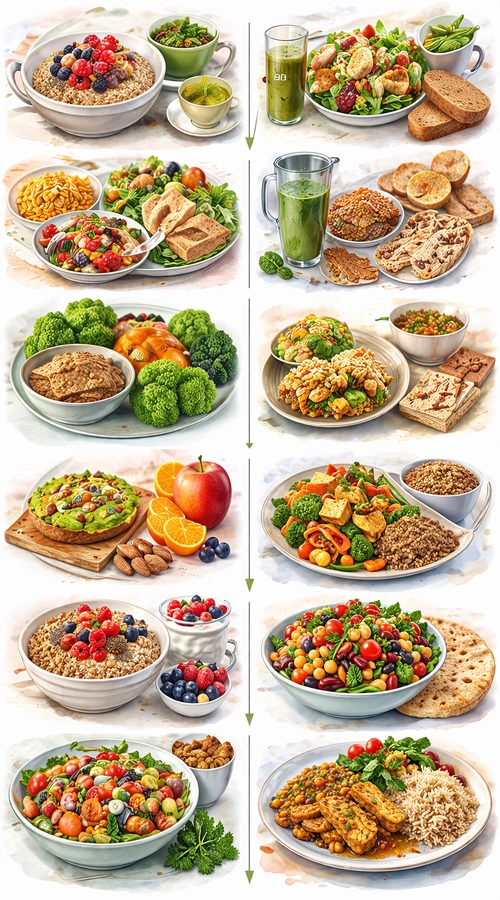
To show that we do not only enjoy talking endlessly, we will offer, but not force you to follow, a practical 7-day progression that reduces meat, increases plant intake, and significantly improves insulin sensitivity.
DAY 1–2: Reduce red and processed meat by 50%
Breakfast
- Oats with berries and chia
- Green tea or coffee
Lunch
- Chicken salad → replace 50% of the chicken with chickpeas
- Whole-grain bread
Dinner
- Lean beef → replace with turkey or tofu
- Sweet potato + steamed broccoli
DAY 3–4: No meat until dinner
Breakfast
- Smoothie: banana, spinach, flaxseed, soy milk
Lunch
- Lentil soup or bean chili
- Whole-grain crackers
Snack, so we do not stay hungry after lunch
- Almonds or fruit
Dinner
- Chicken/fish is allowed (we will let it pass)
- Brown rice + mixed vegetables
DAY 5: Full plant-based day (1-day trial period as an evil vegan)
Breakfast
- Avocado toast on whole-grain bread
- Orange
Lunch
- Hummus wrap with vegetables
- Lentil or bean soup
Snack, if lunch is not enough
- Walnuts or apple
Dinner
- Stir-fried tofu with vegetables
- Quinoa or buckwheat
DAY 6: Reintroduce meat only as a small garnish
Aim for a “meat as seasoning” model.
Lunch
- Large salad + beans
OPTIONAL: 30–60 g chicken bites
Dinner
- Plate with 90% plant food
OPTIONAL: small portion of fish
DAY 7: Fully plant-based diet day — we are evil vegans again
Breakfast
- Oats with chia, soy yogurt, and berries
Lunch
- Three-bean salad, warn the people around you and say that we are responsible for the consequences
- Whole-grain flatbread
Dinner
- Stir-fried tempeh or lentil curry
- Brown rice
How does this weekly transition help prevent type 2 diabetes?
✔ Reduces saturated fats
✔ Reduces TMAO production
✔ Minimizes heme iron and AGEs
✔ Increases fiber intake → improves insulin sensitivity
✔ Promotes fat loss in the liver and muscles
✔ Improves glucose control within days
This creates a metabolic environment in which diabetes risk drops drastically. You are probably already tired of reading about the topic, so we will finish with a table that summarizes everything written so far.
Factor | Effects of a carnivorous diet | Effects of a plant-based diet |
Saturated fats | High levels → reduces insulin receptor activity | Low levels → improves insulin receptor activity |
Intramyocellular fat (fat inside muscle cells) | Increases → causes insulin resistance | Reduces → improves muscle insulin sensitivity |
Fat accumulation in the liver | Promotes fatty liver → worsens fasting glucose levels | Reduces fat in the liver → normalizes fasting glucose |
Inflammation (AGEs, heme iron, nitrates) | Strong increase → inflammation blocks insulin signaling | Low inflammation → antioxidants protect insulin pathways |
Production of TMAO | High (from carnitine/choline) → worsens insulin resistance | Very low → gut microbiome becomes protective |
Fiber intake | Low (meat contains no fiber) → higher glucose peaks | High → stabilizes blood sugar and improves gut health |
Insulin sensitivity | Low → worsens blood sugar control | High → improves glucose uptake into cells |
β-cell protection (pancreas) | Weak → saturated fats, heme iron and AGEs stress β-cells | Strong → phytochemicals and low fat content protect β-cells |