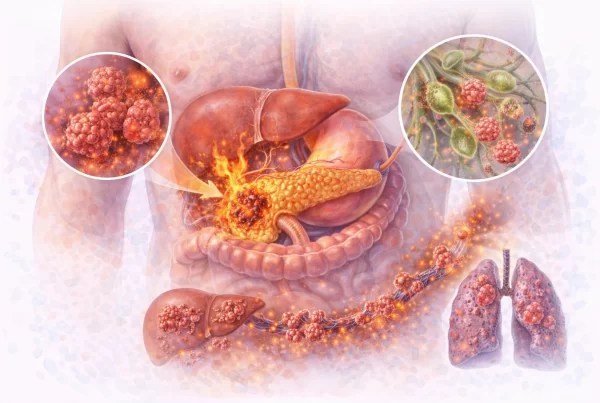
- Red meat increases LDL
- Saturated fats are the main problem
- Meat reduces LDL clearance
- Oxidized LDL is especially dangerous
- TMAO further increases risk
- Lack of fiber worsens the profile
- Replacing them with unsaturated fats helps
- Soluble fiber lowers LDL
- Plant proteins improve the markers
- Nuts, soy, and olive oil are beneficial
- Trans fats should be avoided
- Nutrition can greatly reduce risk
In the introductory article about cholesterol, we introduced you to the idea of the two types of cholesterol — LDL and HDL, also known as bad and good cholesterol. In this article, we will look in more detail at the relationship between meat consumption, especially red and highly processed meat, and higher levels of the bad guy LDL.
As we explained, cholesterol is actually produced by our body as a response to the consumption of certain foods and their content. What makes our body produce LDL cholesterol to the greatest extent are our beloved tasty saturated fats. A pork neck steak may be very delicious, but it comes at a price higher than the one on the receipt.
The foods that contain them in the greatest amounts, as expected, are beef, pork, lamb, sausages, and bacon. We should also not overlook sources of so-called dietary cholesterol, such as eggs, fish, and dairy products, which, although to a lesser extent, also contribute to increased LDL cholesterol.
As a result, it is easy to conclude that people who consume meat, especially red meat, have the highest LDL cholesterol levels, followed by vegetarians because of eggs and dairy products, and finally vegans, since they consume almost none of these foods.
Now, for the more curious readers, we will go deeper into the theory and look further inside our bodies to understand what actually happens and what biochemical mechanisms stand behind the unpleasant fact that tasty fats are actually a bad friend to us.
How does meat consumption raise LDL cholesterol?
1. Intake of saturated fats reduces LDL receptor activity
Saturated fats — especially palmitic acid, which is abundant in red and processed meat — suppress LDL receptors on liver cells.
LDL receptors are responsible for “clearing” LDL particles from the bloodstream.
Fewer receptors lead to less clearance and therefore higher LDL levels.
Mechanism:
Saturated fats reduce the expression of the LDLR gene and increase PCSK9, a protein that destroys LDL receptors. As a result, our body begins to clean itself less effectively from unwanted LDL cholesterol.
2. Increased VLDL production leads to more LDL
When we consume saturated fats, the liver increases the production of:
The new star on the stage — VLDL (very-low-density lipoproteins)
VLDL circulates, releases triglycerides, and eventually turns into — yes, you guessed it — even more LDL particles
In other words, more VLDL leads to higher LDL levels in the bloodstream.
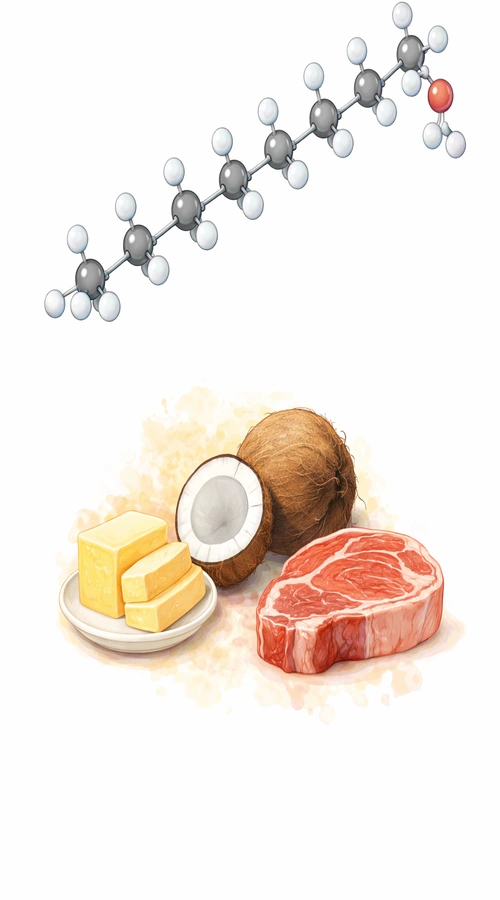
3. Dietary cholesterol increases the burden on the digestive system
Meat contains dietary cholesterol, although it has less impact than saturated fats.
In some people, called “hyper-responders,” dietary cholesterol:
- reduces LDL receptor activity
- increases circulating LDL
- increases cholesterol absorption through NPC1L1 (an important membrane transport protein that mediates the absorption of dietary and biliary cholesterol in the small intestine and its reabsorption in the liver) transporters
4. Heme iron increases lipid oxidation
Red meat contains heme iron, which catalyzes oxidative reactions.
This leads to:
- oxidized LDL (oxLDL) — especially dangerous
- greater uptake of LDL by macrophages (immune cells that live in our tissues. They destroy microbes, damaged cells, and cancer cells. They also promote tissue repair and healing and help your organs work as they should.) In other words, they become fluffier and lazier
- faster formation of foam cells, which are the foundation of arterial plaque
oxLDL = highly atherogenic, or translated, oxidized LDL contributes quite successfully to atherosclerosis (a chronic, progressive disease in which plaques made of fat, cholesterol, and other substances accumulate on the walls of large and medium-sized arteries. This leads to hardening, narrowing, and blockage of blood vessels, disrupting blood flow. It is a major cause of heart attack, stroke, and peripheral artery disease.)
5. Gut microbiome → TMAO pathway
Carnitine and choline from meat are converted by gut bacteria into:
- TMA → TMAO (in the liver) (Trimethylamine N-oxide) is a compound produced in the body when the gut microbiome breaks down certain nutrients found mainly in animal products,
TMAO:
- increases cholesterol accumulation in macrophages
- enhances platelet reactivity
- accelerates atherosclerosis
This amplifies the harmful effects of LDL.
6. Meat displaces fiber (a natural LDL-lowering agent)
Plant fiber binds bile acids and cholesterol in the intestines.
When people eat more meat:
- they consume less soluble fiber,
- the liver reuses more cholesterol instead of excreting it
- LDL levels rise further.
The final effect of everything we have mentioned so far is that plaque begins to form in blood vessels, and this has several, let us call them unpleasant, and sometimes deadly effects.
The first is that when this plaque forms, the space through which blood can pass decreases, which leads to increased blood pressure, which in turn leads to a series of problems and a lot of money for pharmaceutical companies — and we all love filling their pockets and bank accounts, right?
The second, which is often fatal, is that at some point a piece of this plaque may decide to break away from the wall on which it formed and travel through the bloodstream. But because it is sticky and fluffy, it most often gets stuck somewhere and blocks a blood vessel. If this happens in the brain, it is called a stroke; if it happens somewhere in the body, it is a heart attack. Wherever it happens, it is not a pleasant experience, and often it is the last experience.
Statistics
According to statistics that can be trusted:
Approximately 3 million people died in 1990 from diseases and complications caused by high cholesterol. And since there must be growth in everything, 4.4 million had the same fate in 2019, which makes LDL cholesterol terrorist number 1 in modern human history.
Solutions
We told you how bad cholesterol is; now let us see what can be done to escape its grip. We will present quite a few ideas that you can include in your diet to reduce LDL cholesterol levels in your blood and breathe a little more easily, knowing that you will not become part of the statistics mentioned above.
1. Replace saturated fats with unsaturated fats (THE most effective step)
Why it works:
Saturated fats reduce LDL receptor activity, therefore LDL levels rise.
Unsaturated fats increase LDL receptor activity, therefore LDL levels fall.
Replace these with the following:
❌ Butter → ✔ Olive oil
❌ Cheese → ✔ Avocado
❌ Fatty red meat → ✔ Nuts/seeds
❌ Cream → ✔ Plant-based yogurt/milk (soy, almond, oat)
Expected LDL reduction: 8–15%
2. Add soluble fiber (Pulls LDL out of the bloodstream)
Soluble fiber binds cholesterol and bile acids, and the liver has to use more LDL to replace them.
Best foods:
Oats
Beans, lentils, chickpeas
Apples, berries, pears
Flaxseed, chia seeds
Barley
Psyllium husk (very effective)
Required amounts: 10–15 g/day soluble fiber
Expected LDL cholesterol reduction: 5–10% (up to 15% with psyllium)
3. Eat more plant proteins instead of animal proteins
Replacing red meat with plant protein lowers LDL cholesterol within 4–6 weeks.
Best substitutes:
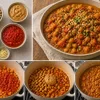
Meat → beans/lentils/chickpeas
Burgers → soy/legume-based alternatives
Minced meat → lentil or mushroom mixture
Chicken → tofu/tempeh
Eggs in baked goods → flax/chia mixtures
Expected LDL reduction: 5–10%
4. Focus on whole grains instead of refined grains
Whole grains contain more fiber, nutrients, and antioxidants.
Choose:
✔ Oats
✔ Brown rice
✔ Whole-grain pasta/bread
✔ Barley
✔ Quinoa
✔ Buckwheat
Replace:
❌ White rice, white flour, sweets
Expected LDL reduction: 3–7%
5. Eat a handful of nuts daily
Nuts lower LDL thanks to:
- healthy fats
- plant sterols
- soluble fiber
- L-arginine → improves endothelial function
Best choices:
- Walnuts
- Almonds
- Pistachios
- Pecans
Dose: 30 g (a small handful)
Expected LDL reduction: 5–8%
6. Remove or drastically reduce trans fats
Trans fats guarantee an increase in LDL and a decrease in HDL, and we want exactly the opposite
Avoid:
- hydrogenated oils
- fried fast foods
- margarine (older types)
- cheap baked goods
Expected LDL reduction: up to 20%, if they were previously consumed heavily
7. Increase fruit and vegetable intake (antioxidants → less oxLDL)
Antioxidants help prevent LDL from oxidizing into the dangerous type of LDL.
Best sources:
- Seasonal fruits
- Citrus fruits
- Dark green vegetables
- Tomatoes
- Carrots
- Broccoli
- Peppers
Goal: 5–9 servings/day, a bit exaggerated, I know, but that is what the literature says
8. Consider plant sterols and stanols
They compete with cholesterol for absorption in the intestines.
Sources:
- Fortified margarines (non-hydrogenated)
- Plant sterol supplements (~2 g/day)
Expected LDL reduction: 7–12%
9. Reduce red and processed meat consumption
Red meat raises LDL because of:
- saturated fats
- dietary cholesterol
- TMAO precursors
- heme iron → LDL oxidation
Replacing meat with plant protein is one of the most powerful nutritional strategies for lowering LDL.
10. Include soy foods
Soy contains:
- isoflavones
- high-quality plant protein
- soluble fiber
Foods:
✔ Tofu
✔ Tempeh
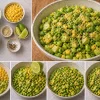
✔ Edamame
✔ Soy milk
Expected LDL reduction: 3–6%
11. Include “superfoods” for lowering LDL
These have specific mechanisms for lowering LDL:
- Flaxseed (ALA, fiber) → 10–15% drop
- Barley (beta-glucans)
- Chickpeas (soluble fiber)
- Almonds (healthy fats + fiber)
- Avocado (monounsaturated fats)
- Olive oil (polyphenols)
Expected LDL reduction: Up to 15%, depending on the amount replaced
Example of combining everything said so far. Here is how we can combine the above into a meal suggestion. You can include the following foods in your menu:
Breakfast
- Oats + berries + chia
- Black coffee or tea, or soy milk
Lunch
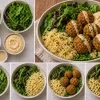
- Lentil or chickpea salad
- Whole-grain bread
Fruit
- Afternoon snack
- A handful of nuts
Dinner
- Stir-fried tofu with vegetables
- Brown rice or quinoa
Daily additions
- 1–2 tbsp flaxseed or chia
- Olive oil instead of butter
- Fruit and vegetables with every meal