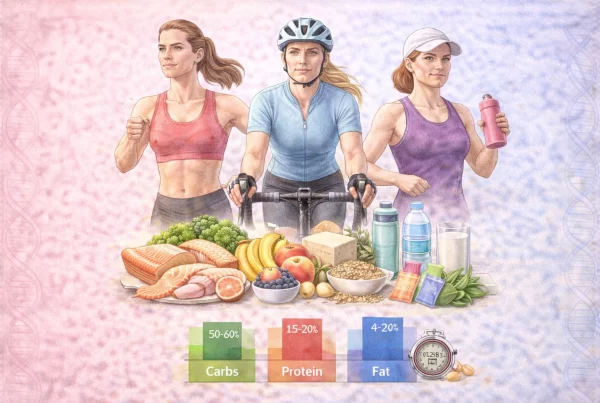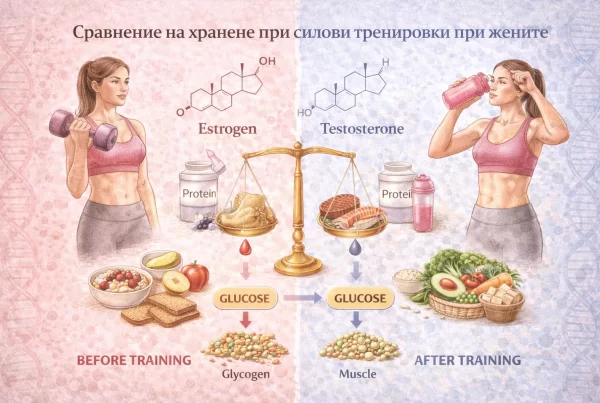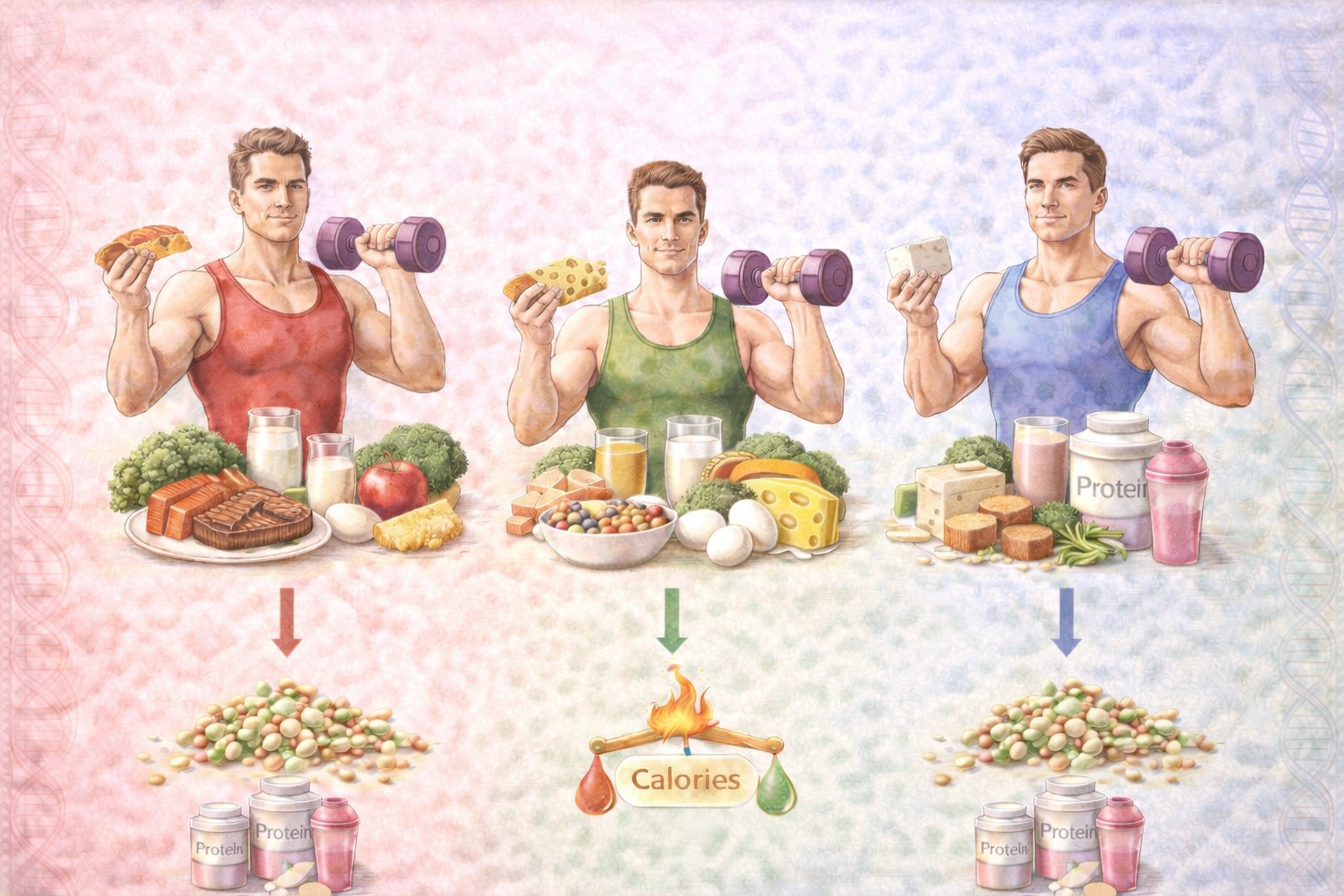
- Strength and muscle mass are possible without meat too
- Protein is key for hypertrophy
- The omnivorous diet is the easiest
- The vegetarian diet works very well
- The vegan diet requires the most planning
- Leucine and protein quality are important
- Fiber can make intake more difficult
- Calories must be sufficient for growth
- Soy, seitan, and isolates make things easier for vegans
- Carbohydrates support training performance
- Digestive comfort also matters
- Good structure makes the diet effective
Training, training, training — nowadays everyone trains something, has trained before, or has promised themselves that they will start soon. The reasons why we train can be very different — to be strong, lean, flexible, shredded (very important!), or maybe we need social contact and go to group workouts.
When we spend more time training, which usually means at least a few years, we generally begin to move toward one of two main directions — developing strength or developing endurance (we do not count those who train just to maintain shape as real trainees).
In this article, we will look at how men (in the next article we will focus only on women as well) can train for strength and muscle mass while eating as vegetarians or vegans, and how this can be compared with diets that include meat.
Let us start with the macronutrients men need in order to become big and strong and successfully fight gravity in the gym.
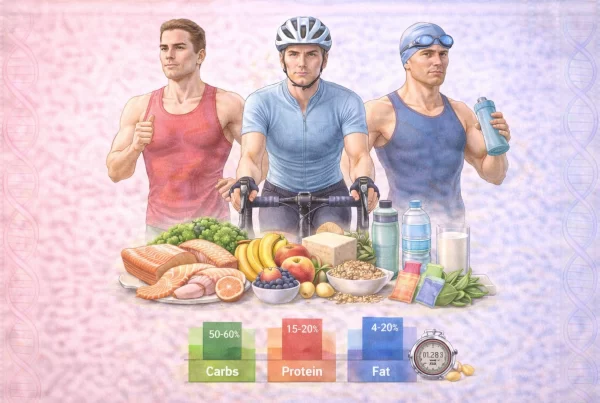
Main macro goals for male strength training, applying to all types of diets
These ranges are the ones most commonly cited in the sports nutrition literature:
Protein (hypertrophy / strength): 1.6–2.2 g/kg/day (most men do well here; higher during fat-loss phases)
Protein per meal: approximately 0.25–0.40 g/kg per meal, 3–5 meals/day
Carbohydrates: adjust according to training volume; usually 3–6 g/kg/day for mixed strength + conditioning; higher if a lot of endurance work is also performed
Fats: usually 0.7–1.0 g/kg/day or ~20–35% kcal (do not overdo fats; they help with energy density and adherence)
Calories: a small surplus (+200–300 kcal/day) is a common starting point for gaining muscle mass; cutting requires higher protein content and careful energy management, and we should be careful not to overdo it, because when calories become too many, we start growing bellies and love handles.
The “tricky” part when comparing diets
For men, the hardest part of building muscle on plant-based diets is not “can you build muscle?” — it is getting enough high-quality protein and enough total calories without gastrointestinal discomfort from high fiber content and lower protein density.
It is worth noting that well-planned plant-based diets can support hypertrophy, but they may require more thoughtful protein selection because of differences in digestibility/leucine. In other words, it is achievable, but it requires thought and a little planning, which we know is not always easy, but we promise to help.
And now let us begin with the comparisons:
Meat-eater / omnivore
Why it is easier:
- Animal proteins are usually high in essential amino acids and leucine per gram, which is important for stimulating MPS.
- Higher protein density means less total calories/volume is needed to reach the protein target.
Common pitfalls, even for omnivores:
- Insufficient carbohydrate intake → poor training performance
- Excess saturated fat if you are “bulking” with a lot of processed meats; this is not a macro requirement, but it is common in real-world diets
Bottom line: it is the easiest way to consistently achieve 1.6–2.2 g/kg with minimal planning.
Vegetarian (lacto-ovo — eating dairy products and eggs)
Best for: protein quality, almost like meat-eaters, if dairy products/eggs, preferably from free-range hens of course, are used strategically
Why it is relatively easy:
- Eggs and dairy products provide complete proteins; they can help reach protein/leucine targets without large food volume.
- It is often easier to maintain enough calories than with a vegan diet because there is less dependence on fiber.
Common traps:
- Protein is good, but some vegetarians drift toward “high-carbohydrate, low-protein” patterns.
- If dairy intake is low, protein density starts to resemble vegan patterns.
- Bottom line: usually very effective for men who lift weights (you have to lift heavy!); minimal “special tactics” are needed apart from planning protein anchors.
Vegan
Best for: carbohydrates/fiber/micronutrient density, if planned, but requires the most planning for protein and calories
Why it can be harder for men:
- Higher absolute grams of protein/day are needed, since men are larger on average, and plant proteins may be less protein-dense and higher in fiber.
- Some plant proteins have lower leucine content per calorie; this is often solved with soy, seitan, and/or protein isolates.
What the theory says:
Reviews note that plant-based diets can support hypertrophy when protein quantity is matched, but practical challenges include digestibility and consistently reaching quantitative targets.
Studies show that soy versus animal protein can lead to similar benefits when total protein intake is comparable.
A systematic review suggests that appropriately dosed plant proteins, especially blends, can support recovery in a similar way, although long-term vegan-specific studies are still being developed.
Bottom line: it is feasible, but men often need a “high-protein vegan framework” — soy + seitan + isolates — to make it easier.
And now, after the theory, let us move toward practice and how to apply what we have read in real life:
Practical macro framework (example: an 80 kg man who lifts weights)
Lean mass-gain day (needs for a typical training day)
- Protein: 1.8 g/kg → 144 g/day
- Carbohydrates: 4–5 g/kg → 320–400 g/day
- Fats: 0.8–1.0 g/kg → 64–80 g/day
This framework is consistent with protein intake ranges for strength training and general carbohydrate intake guidelines for supporting training.
Body-weight-loss day (maintaining muscle mass, also known as cutting)
Protein: 2.2–2.6 g/kg, or more depending on leanness/training status
ISSN notes that higher protein intake may be useful during hypocaloric phases for retaining lean mass.
Examples of “How to get your macronutrients” for men
Omnivorous male template
- Protein sources: chicken, eggs, Greek yogurt, whey
- Carbohydrate base: rice/potatoes/oats/bread
- Fats: olive oil, nuts, eggs
Easiest trick: add a whey shake to obtain the protein you need if you are not reaching it through food.
Vegetarian template
- Protein sources: yogurt + whey, eggs, cottage cheese, tofu/tempeh
- Carbohydrate base: oats, rice, potatoes, pasta
- Fats: olive oil, nuts, avocado
Easiest trick: dairy proteins (whey/casein) + eggs.
Vegan template, high-protein and suitable for men
- Protein sources: tofu/tempeh + seitan + soy yogurt + pea/soy isolate
- Carbohydrate base, lower in fiber around training if necessary: rice, pasta, bread, bananas, cereals
- Fats: olive oil, tahini, nuts/seeds
Easiest tricks (without effort):
- 1–2 shakes/day (soy/pea blend)
- More seitan/soy, which have the highest protein density
- Keep some lower-fiber carbohydrates around workouts so that appetite/digestive burden does not limit calories
Sample meal plans
So that we do not give anyone a reason to claim that we only give advice without practical ideas, we will also show sample menus for people who do strength training. We will compare how a regular diet that includes meat can be replaced with a vegetarian and a vegan diet — do not worry, they do not bite.
As a starting point, we take a man weighing 80 kg. Each plan aims to achieve:
- around 1.8 g/kg protein → around 145 g/day
- around 4–5 g/kg carbohydrates → around 320–400 g/day
- around 0.8–1.0 g/kg fats → around 65–80 g/day
- High-quality protein distribution across 4–5 meals
- A practical structure with low digestive burden, especially for vegetarians/vegans
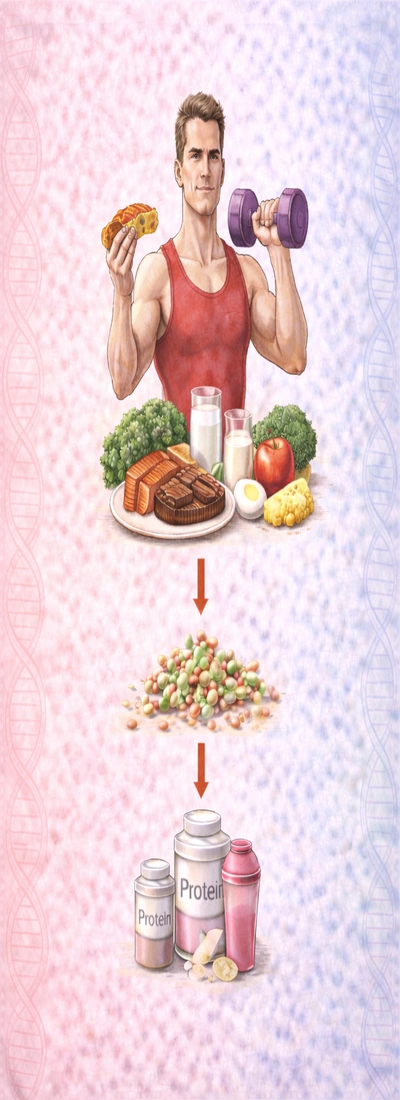
Omnivorous meal plan
✔ The easiest high-quality protein
✔ Low burden on the digestive system
✔ High leucine density per meal
Breakfast (Meal 1)
Greek yogurt bowl
- 1½ cups Greek yogurt
- ½ cup berries
- 30 g whey protein, mixed in
- 20 g honey
- 2 tbsp almonds
Macronutrients: around 55 g protein / 70 g carbohydrates / 18 g fat
Meal 2 (Lunch)
Chicken and rice bowl
- 180–200 g roasted chicken breast
- 1.5 cups cooked white rice
- Mixed vegetables
- 1 tbsp olive oil
Macronutrients: around 55 g protein / 85 g carbohydrates / 15 g fat
Pre-workout snack
- 1 banana
- 1 muesli bar
- 1 scoop whey protein with water
Macronutrients: around 30 g protein / 60 g carbohydrates / 6 g fat
Dinner (Post-workout meal 4)
Beef or turkey pasta
- 120 g cooked lean beef or turkey
- 2 cups cooked pasta
- Tomato sauce
- Parmesan
Macronutrients: around 45 g protein / 100 g carbohydrates / 15 g fat
Daily totals (omnivorous)
Protein: around 155 g
Carbohydrates: around 360–400 g
Fats: around 60–70 g
Calories: around 3000–3200
Vegetarian meal plan
✔ Uses eggs, preferably from free and very happy hens, and dairy products
✔ High-quality protein with minimal burden on the digestive system
✔ Easy to reach 1.8 g/kg
Breakfast (Meal 1)
- Combination of oats + dairy protein
- 1 cup oats
- 1 scoop whey or casein protein
- 300 ml milk
- 1 banana
- 1 tbsp peanut butter
Macronutrients: around 45 g protein / 95 g carbohydrates / 17 g fat
Meal 2 (Lunch)
- Eggs and halloumi in a tortilla
- 3 eggs
- 60 g halloumi or feta
- Whole-grain tortilla
- Salad + olive oil
Macronutrients: around 45 g protein / 45 g carbohydrates / 25 g fat
Pre-workout meal
- Greek yogurt (1 cup)
- 1 apple
Macronutrients: around 25 g protein / 35 g carbohydrates / 3 g fat
Post-workout dinner
- Lentil and pasta bowl
- 1.5 cups cooked red lentils
- 2 cups lentil or wheat pasta
- Tomato sauce
- Parmesan
Macronutrients: around 55 g protein / 110 g carbohydrates / 8 g fat
Daily totals (vegetarian)
Protein: around 150–160 g
Carbohydrates: around 320–380 g
Fats: around 55–70 g
Calories: around 2900–3150
Vegan meal plan — only for evil vegans
✔ Uses soy, seitan, and isolates to keep fiber at a reasonable level
✔ Low burden on the digestive system
✔ Provides leucine-rich meals
✔ Requires the most planning
Breakfast (Meal 1)
- High-protein smoothie
- 1 scoop soy or pea-soy protein isolate
- 1 banana
- ½ cup oats
- 1 tbsp peanut butter
- 300 ml fortified soy milk
Macronutrients: around 40 g protein / 70 g carbohydrates / 15 g fat
Meal 2 (Lunch)
- Tofu-rice bowl, low-fiber version
- 180–200 g firm tofu
- 1.5 cups cooked white or jasmine rice
- Steamed vegetables
- 1 tbsp olive oil or sesame oil
Macronutrients: around 45 g protein / 80 g carbohydrates / 18 g fat
Pre-workout snack
- 1–2 slices white bread + jam
- 1 scoop vegan protein (soy/pea)
Macronutrients: around 30 g protein / 55 g carbohydrates / 4 g fat
Dinner (Post-workout meal 4)
- Pasta bowl with seitan
- 180 g seitan
- 2 cups pasta
- Marinara tomato sauce
- Nutritional yeast, for B12
Macronutrients: around 55 g protein / 110 g carbohydrates / 5 g fat
Optional evening snack, if calories are needed
- Soy yogurt
- 1 tbsp maple syrup
- Macronutrients: around 10 g protein / 20 g carbohydrates / 2 g fat
Daily totals (vegan)
Protein: around 150–165 g
Carbohydrates: around 330–380 g
Fats: around 45–65 g
Calories: around 2800–3100
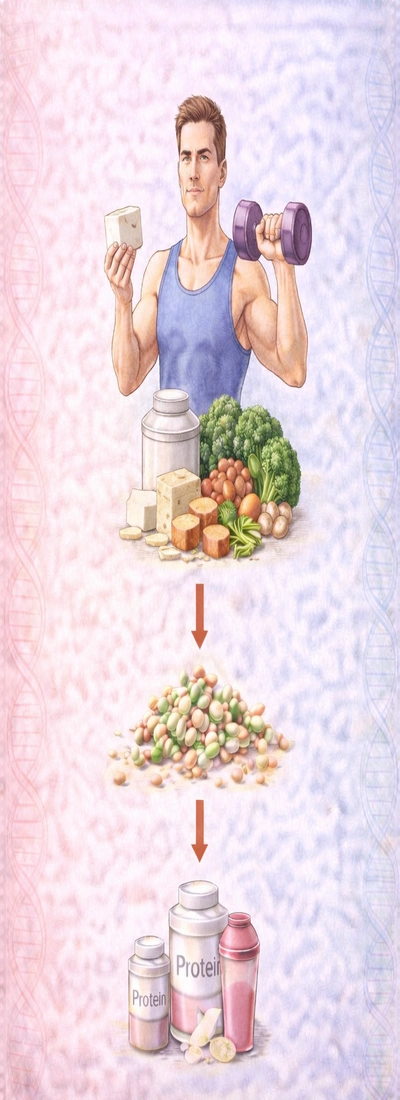
In other words, it does not hurt, it does not itch, and it is not that complicated. And to make it even a little easier to achieve, we will include a table in which we visually compare the three diets:
Type of diet | Omnivorous | Vegetarian | Evil vegans |
Protein quality | Highest | High (eggs/dairy) | Medium to high (with soy and seitan) |
How easy is it to get? | Easiest | Easy | Requires planning |
Digestive system strain | Lowest | Low-medium | Medium-high |
Calorie density | Medium-high | Medium | Low if not optimized |
Notes | Easiest to gain weight | The smoothest option for transitioning to a plant-based diet | It is best when isolates and seitan are used |
Sources
https://pubmed.ncbi.nlm.nih.gov/28642676/
https://www.tandfonline.com/doi/full/10.1186/s12970-018-0242-y
https://www.tandfonline.com/doi/full/10.1186/s12970-017-0174-y
https://pubmed.ncbi.nlm.nih.gov/27886704/
https://pmc.ncbi.nlm.nih.gov/articles/PMC12586379/
https://www.sciencedirect.com/science/article/abs/pii/S0899900725000607
https://www.mdpi.com/2072-6643/17/15/2571
https://knowledge.lancashire.ac.uk/id/eprint/56456/1/56456%20Govindasamy%20et%20al.%20VOR.pdf